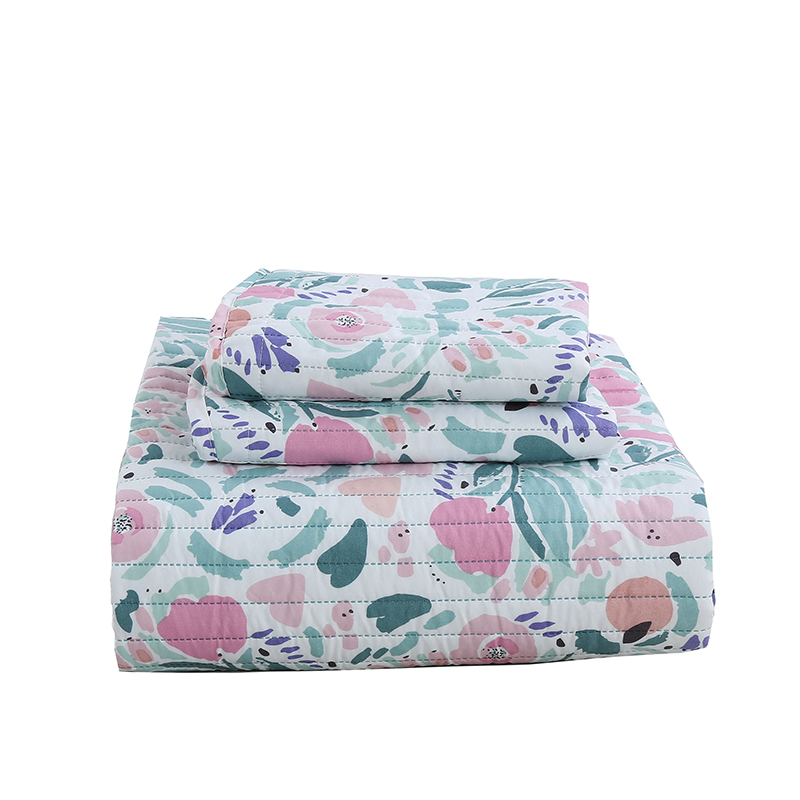
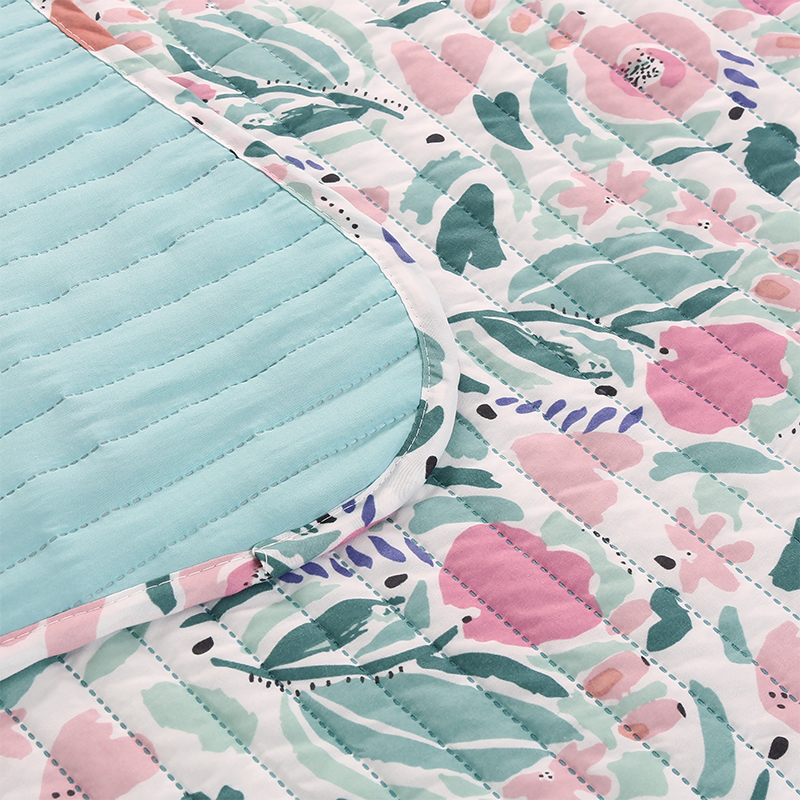
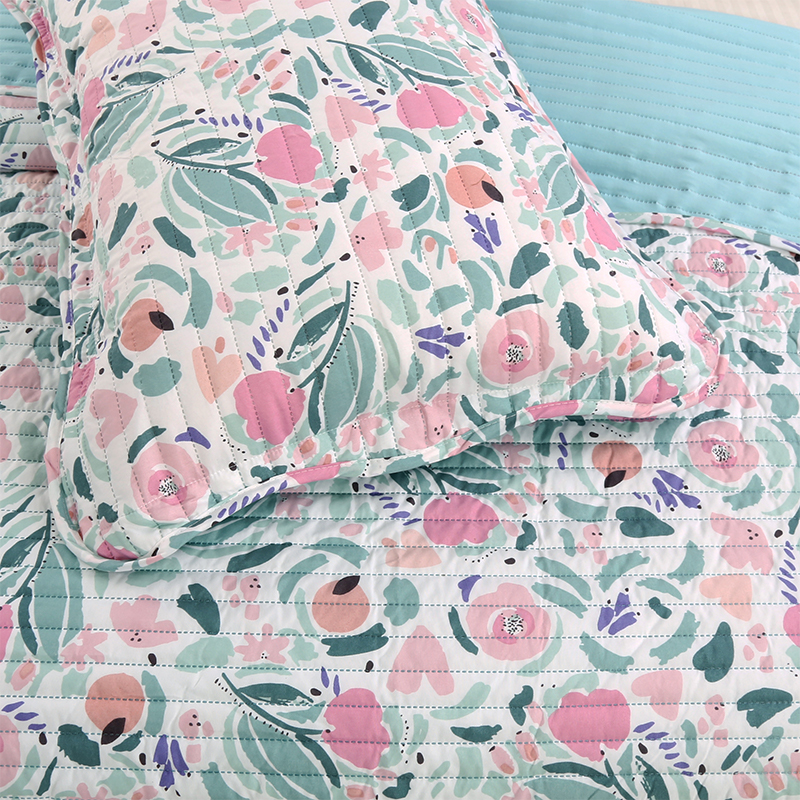
How does the choice of fabric and filling material impact the comfort and performance of ultrasonic quilts, and what are the most popular options?
The choice of fabric and filling material significantly impacts the comfort and performance of ultrasonic quilts. Here's how these choices influence the overall quality of
ultrasonic quilts, along with some popular options:
Fabric:Microfiber Fabric: Microfiber is a popular choice for the outer fabric of ultrasonic quilts. It is known for its softness, durability, and ease of care. Microfiber can provide a silky and smooth surface for the quilt, enhancing comfort.
Cotton: Cotton is a natural and breathable fabric that is often used for ultrasonic quilts. It's suitable for all seasons and is known for its moisture-wicking properties, which help regulate temperature and prevent overheating.
Polyester: Polyester fabric is durable and resistant to wrinkles and stains. It is often used in ultrasonic quilts, especially when a quilt needs to withstand daily wear and tear.
Blend Fabrics: Some ultrasonic quilts use fabric blends, such as a cotton-polyester blend, which combines the benefits of both natural and synthetic materials. This blend can offer a balance of comfort and durability.
Hypoallergenic Fabrics: Some
ultrasonic summer quilts use hypoallergenic fabrics designed to be gentle on sensitive skin and reduce the risk of allergies.
Filling Material:Microfiber Filling: Microfiber filling is a popular choice for ultrasonic quilts. It provides a down-like softness and warmth without the use of natural down, making it hypoallergenic.
Cotton Filling: Cotton filling is breathable and natural, making it suitable for people who prefer a more eco-friendly option. Cotton-filled ultrasonic quilts are often used for their moisture-wicking properties.
Polyester Filling: Polyester filling is known for its durability and ability to retain loft, providing a fluffy and warm feel. It's also hypoallergenic.
Down and Feather Filling: Some ultrasonic quilts use a blend of down and feathers, offering exceptional warmth and comfort. However, down and feather quilts may require more maintenance and care.
Alternative Down: Synthetic alternative down fillings are often used to mimic the feel of natural down while remaining hypoallergenic and easier to maintain.
Bamboo and Tencel: These natural and eco-friendly fillings are used in some ultrasonic quilts for their moisture-wicking and breathable properties. They are also known for being sustainable choices.
What are the benefits of a Bamboo and Tencel Ultrasonic quilt?
A Bamboo and Tencel
Ultrasonic quilt offers several benefits due to the combination of these natural and eco-friendly materials. Here are the advantages of using a Bamboo and Tencel
Ultrasonic Summer Quilt:
Sustainability: Both bamboo and Tencel (lyocell) are renewable and sustainable materials. Bamboo grows quickly and requires minimal water and pesticides, while Tencel is produced from sustainably sourced wood pulp. Using these materials contributes to environmentally friendly bedding.
Breathability: Bamboo and Tencel are highly breathable and moisture-wicking. They allow air circulation and effectively wick away moisture, keeping you dry and comfortable throughout the night. This makes them particularly suitable for hot and humid climates.
Hypoallergenic: Bamboo and Tencel are naturally hypoallergenic materials. They resist dust mites and other allergens, making them an excellent choice for individuals with allergies or sensitivities.
Smooth and Soft: Both bamboo and Tencel have a silky and smooth texture, providing a luxurious and comfortable feel against the skin. They are gentle on sensitive skin and reduce the risk of irritation.
Thermo-regulating: Bamboo and Tencel have natural thermo-regulating properties. They help keep you cool in warm weather and warm in cold weather, making the quilt suitable for year-round use.
Eco-Friendly Dyeing: The dyeing process for bamboo and Tencel fabrics can be more environmentally friendly compared to some other textiles, reducing the environmental impact.
Durability: Bamboo and Tencel fibers are durable and can withstand regular use and washing, contributing to the longevity of the quilt.
Low Maintenance: Quilts made from bamboo and Tencel are generally easy to care for. They can often be machine-washed and maintain their quality over time.
Odor Resistance: Bamboo and Tencel fabrics have natural odor resistance, helping the quilt stay fresh and odor-free.
Hygienic: Due to their moisture-wicking and hypoallergenic properties, bamboo and Tencel quilts are hygienic and resistant to the growth of mold and mildew.
Eco-Conscious Choice: Choosing a Bamboo and Tencel Ultrasonic quilt demonstrates an eco-conscious approach to bedding, supporting sustainability and responsible sourcing of materials.
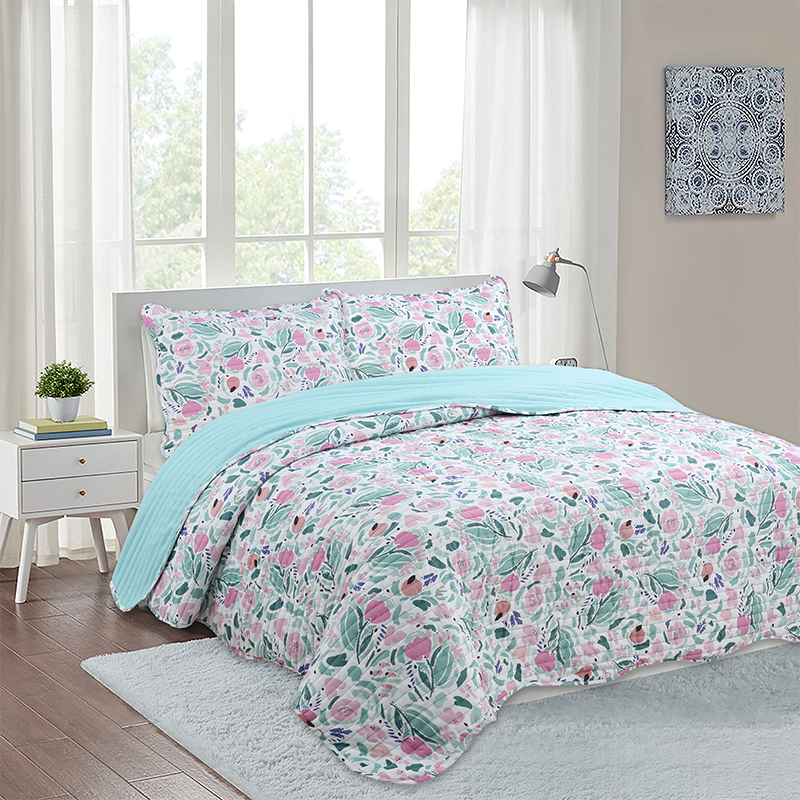
Smooth Quilting: The ultrasonic quilting process provides a smooth and even distribution of the filling within the quilt, enhancing its appearance and comfort.


 English
 Español
 русский